
Our Heritage Mission
Connecting generations through the shared experience of railway history
Connecting generations through the shared experience of railway history
Bamboo-falcon emerged from a shared passion among railway enthusiasts, historians, and preservation advocates who recognised that South Africa's railway heritage required active stewardship. Founded by individuals who had spent decades documenting, restoring, and operating historic railway equipment, our organisation bridges the gap between archival preservation and public engagement.
We operate at the intersection of education, tourism, and historical preservation. Our team includes former railwaymen who worked on the footplate during the final years of steam operation, academic historians specialising in transport infrastructure, and young professionals committed to ensuring these skills and stories pass to future generations.
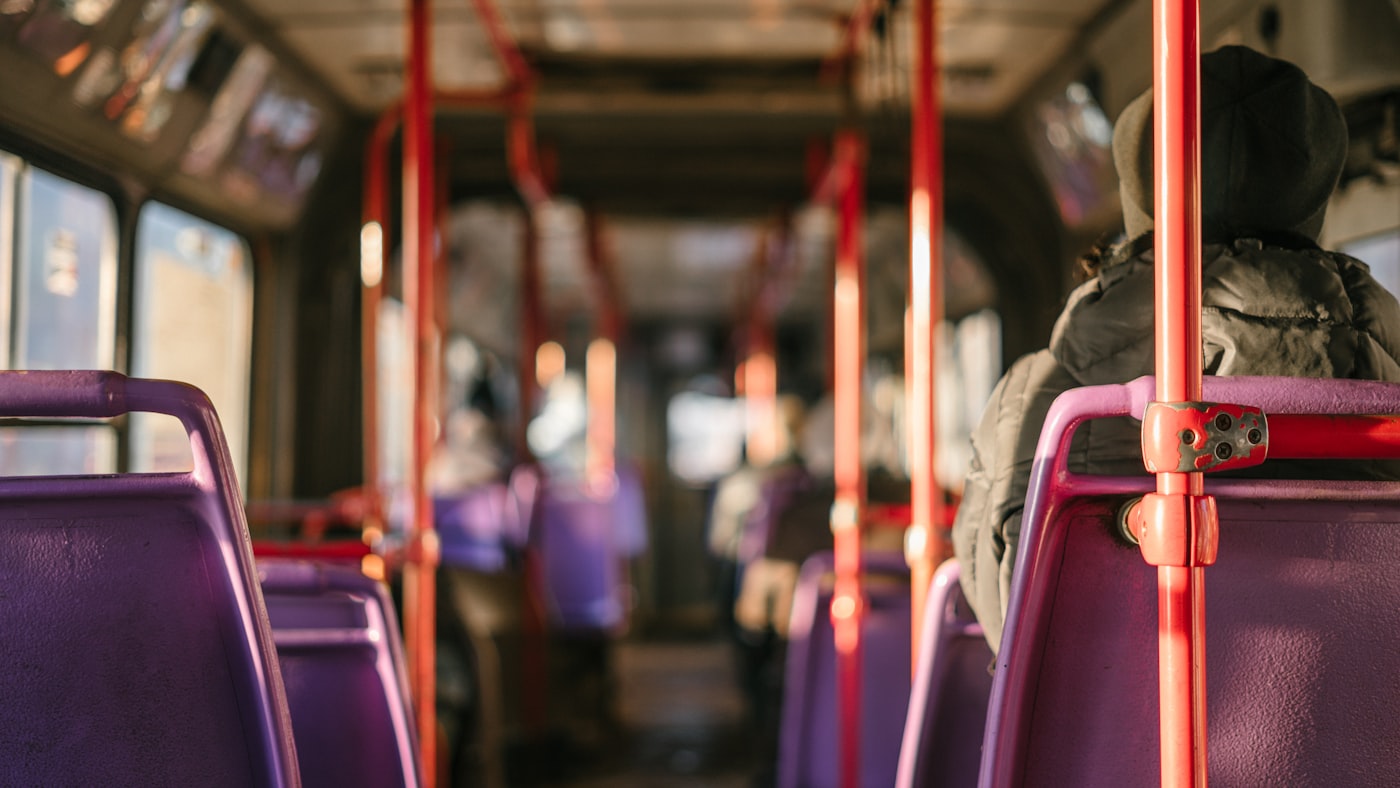
Static museum displays serve an important purpose, but we believe that railway heritage is best understood in motion. The rhythm of wheels on rails, the effort required to manage a steam locomotive, the coordination between driver and fireman—these elements cannot be conveyed through photographs alone.
Our partnerships with heritage railway operators across South Africa enable us to offer authentic experiences on working historic equipment. These relationships, built over decades, provide access that individual visitors could never arrange independently. At the same time, revenue from these experiences funds ongoing preservation work.
Every detail matters in heritage preservation. We work with original materials where possible, consult primary sources rather than secondary accounts, and involve craftspeople trained in traditional techniques. When modern substitutions become necessary for safety or availability reasons, we document them fully.
This commitment extends to our educational content. We present railway history in its full complexity, acknowledging the role of railways in both developing and exploiting South Africa. The labour history, the political decisions, the social impacts—all form part of a complete understanding.

Since our founding, we have facilitated heritage experiences for over twelve thousand participants. Our research archive now holds more than four thousand photographs, engineering drawings, and oral histories. We have contributed to the restoration of three historic locomotives and supported youth training programmes that introduce mechanical skills to young South Africans.
Beyond numbers, we measure success in connections made: the grandchild who finally understands their grandfather's career, the engineer who discovers solutions in historic designs, the community that rediscovers pride in a neglected station building. These moments justify every hour of effort our team invests.
Our core team combines decades of professional railway experience with academic qualifications in history, engineering, and education. Board members have worked in roles ranging from locomotive drivers to museum curators, from archive management to tourism development.
We maintain a network of specialist consultants who contribute expertise in specific areas: particular locomotive classes, regional railway histories, technical conservation challenges. This extended community allows us to respond to diverse enquiries with authoritative information.

Preservation faces ongoing challenges: ageing volunteers, scarce spare parts, infrastructure decay, and shifting public interests. We approach these challenges strategically, prioritising efforts that create lasting impact rather than merely managing decline.
Digital documentation forms a key part of this strategy. Three-dimensional scanning of components, video recording of operational techniques, and systematic oral history collection all ensure that knowledge survives even if physical artefacts cannot. Yet we remain committed to keeping heritage railways running wherever possible—there is no digital substitute for the complete sensory experience.
"Working with bamboo-falcon opened doors I didn't know existed. Their connections to heritage railway operators gave me footplate experience that would otherwise have been impossible to obtain."
Whether through participation in our experiences, contribution to our research archive, or support for preservation projects, there are many ways to engage with South African railway heritage.
Explore ExperiencesThe information provided on this website is for general educational and informational purposes only. While we strive to present accurate historical information, individual research may uncover variations in documented events and dates. Results from our services may vary based on availability, weather conditions, and operational schedules of heritage railways.
This content does not constitute professional historical advice. For academic or archival research, please consult primary sources and accredited institutions. Any travel or tour arrangements should be confirmed directly with service providers.