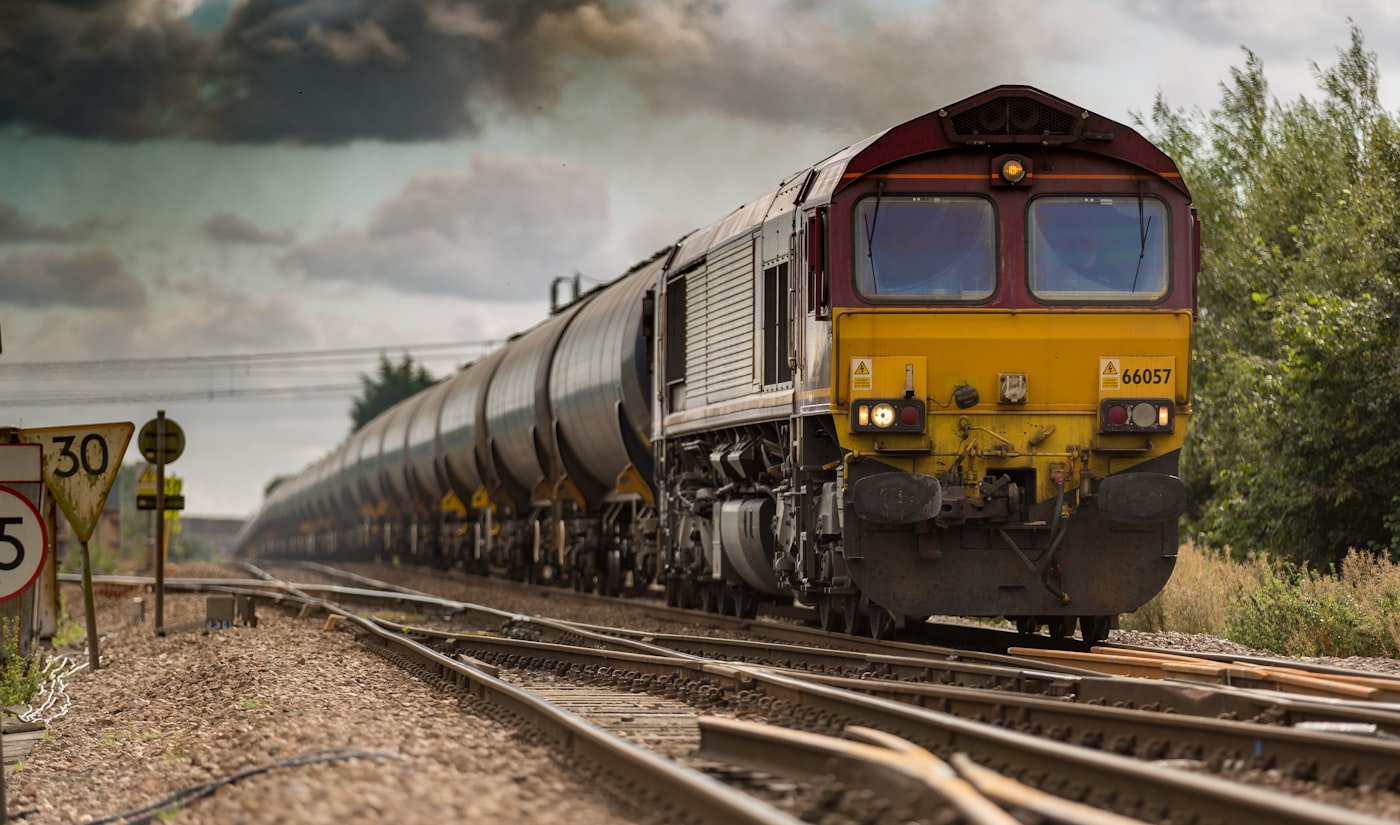
Journey Through South African Railway Heritage
Discover the iron arteries that shaped a nation, from the Cape to the Highveld, across deserts and through mountain passes.
Explore Our Experiences
Discover the iron arteries that shaped a nation, from the Cape to the Highveld, across deserts and through mountain passes.
Explore Our ExperiencesThe story of South African railways began on 26 June 1860, when the first locomotive journey traversed the two-mile stretch from Durban to the Point. This modest beginning would eventually grow into one of Africa's most extensive rail networks, connecting remote mining towns to bustling ports and transforming the economic landscape of an entire subcontinent.
Those early locomotives, imported from Britain, faced challenges unlike anything their designers had imagined. The African terrain demanded innovation: steep gradients in the Drakensberg, vast distances across the Karoo, and the relentless expansion driven by the discovery of diamonds and gold.
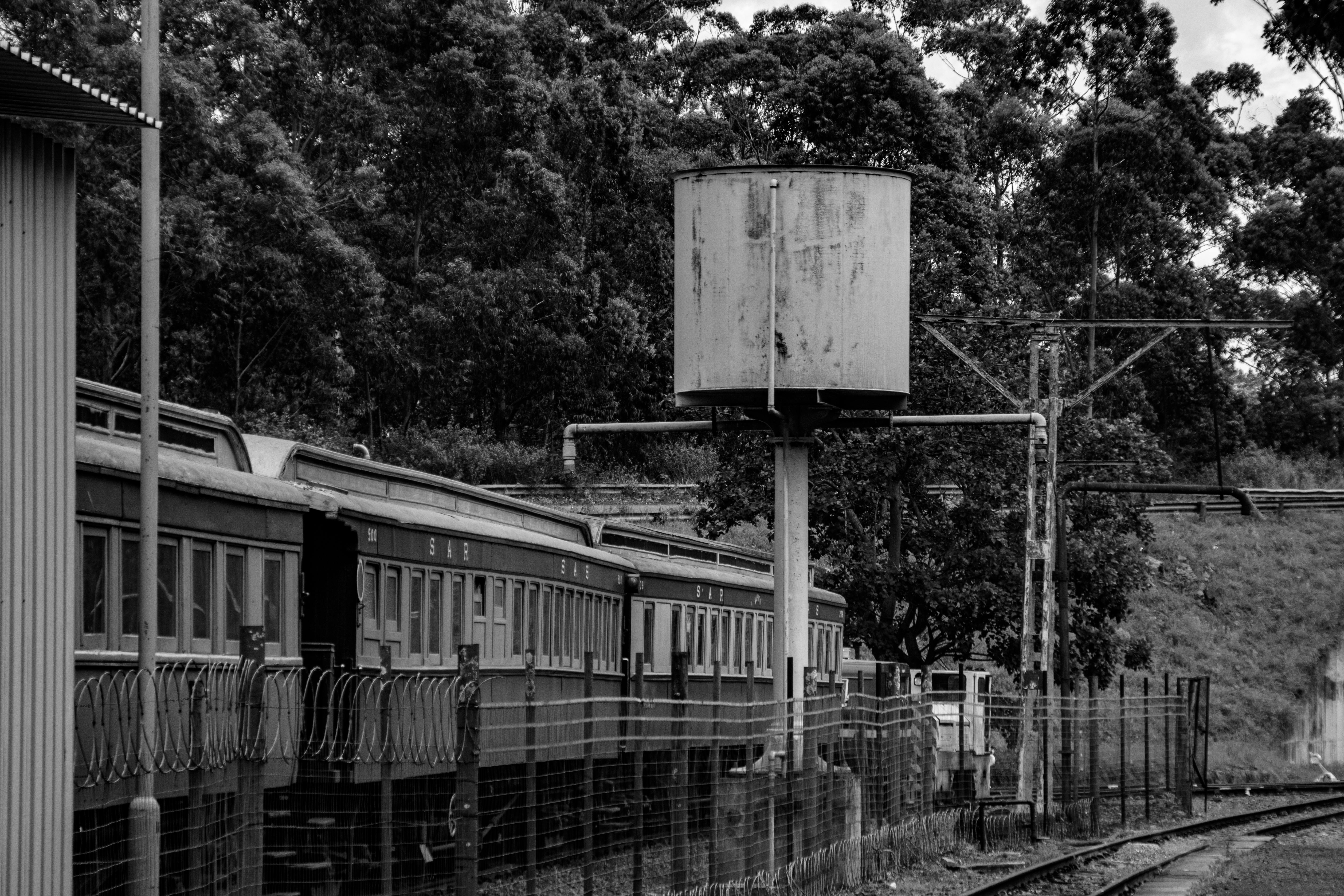
The discovery of diamonds at Kimberley in 1867 and gold on the Witwatersrand in 1886 transformed South African railways from a colonial convenience into an economic necessity. Rail lines raced inland, funded by mining magnates who understood that whoever controlled the railways controlled the wealth of the nation.
Cecil Rhodes, Paul Kruger, and countless engineers battled over routes and monopolies. The Cape Government Railways expanded northward, while the Nederlandsche-Zuid-Afrikaansche Spoorwegmaatschappij controlled access to the Transvaal goldfields. These rival systems would eventually merge, but not before reshaping the political geography of southern Africa.
The ascent from the coastal plains to the interior plateau presented engineers with formidable challenges. The Van Reenen Pass, Montagu Pass, and countless other gradients required innovative solutions: rack railways, reverses, and some of the steepest adhesion-worked lines in the world.
The narrow gauge of 3 feet 6 inches, known as Cape gauge, became the standard across southern Africa. This choice, while limiting speed, allowed sharper curves and reduced construction costs in mountainous terrain. Today, these engineering decisions continue to shape the capabilities of the network.

While modern electrified locomotives now handle most freight and passenger traffic, the steam era lives on through dedicated preservationists. Museums across South Africa house magnificent examples of railway heritage, from the compact Class NG G16 Garratts to the powerful Class 25NC condensing locomotives that once dominated the Karoo mainline.
"Standing in the cab of a working steam locomotive, feeling the heat from the firebox and the surge of power as the regulator opens, connects you to generations of railwaymen who built this nation."
Heritage organisations operate regular steam excursions, allowing new generations to experience the sights, sounds, and smells that defined South African travel for over a century. These journeys traverse some of the most spectacular scenery on the continent, following routes that pioneers carved through wilderness.
The South African Railways, once a government department employing hundreds of thousands, evolved through various corporate structures. Today, Transnet Freight Rail operates the heavy-haul coal and iron ore lines that remain vital to the national economy, while the Passenger Rail Agency of South Africa manages commuter services.
The legacy infrastructure continues to serve, even as new challenges emerge. Investment in modernisation competes with the need to preserve historically significant structures and routes. Each decision balances efficiency against the irreplaceable heritage encoded in station buildings, signal boxes, and the alignment of the permanent way itself.
Whether you seek to ride behind a working steam locomotive, explore railway museums, or research the history of a particular line, we can guide your experience.
View Our ExperiencesThe Natal Railway Company inaugurates the first passenger service in South Africa, running from Durban harbour to the Point, covering approximately two miles of track.
The Cape Government Railways completes the line from Cape Town to Wellington, establishing the pattern of expansion that would characterise the following decades.
Rail finally reaches the goldfields of the Witwatersrand, enabling the mass transport of ore, equipment, and workers that would fuel the world's largest gold mining industry.
With the creation of the Union of South Africa, the various colonial railway systems merge into the South African Railways and Harbours Administration.
The last steam locomotive built in South Africa emerges from the workshops, marking the end of an era as diesel and electric traction take over.
Discover the full story of South African railways through our educational experiences and guided heritage tours.
Get in TouchThe information provided on this website is for general educational and informational purposes only. While we strive to present accurate historical information, individual research may uncover variations in documented events and dates. Results from our services may vary based on availability, weather conditions, and operational schedules of heritage railways.
This content does not constitute professional historical advice. For academic or archival research, please consult primary sources and accredited institutions. Any travel or tour arrangements should be confirmed directly with service providers.